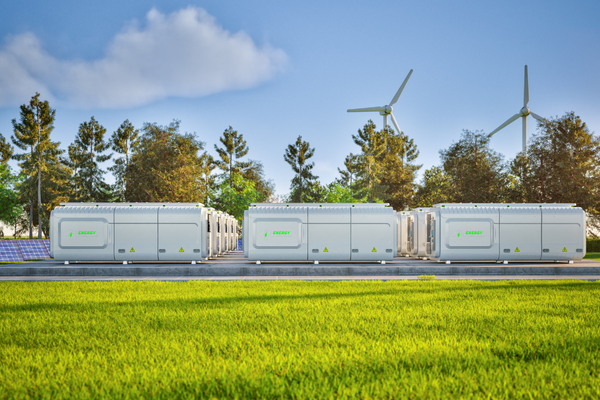
1. Maximizing Renewable Self-Consumption: Renewable energy sources like solar and wind are intermittent. EMaaS helps customers optimize their energy usage to consume as much of their self-generated renewable energy as possible, reducing reliance on grid power and maximizing the return on their renewable energy investment. This is often achieved through intelligent load management and integration with battery storage.
2. Addressing Intermittency and Variability: EMaaS can help manage the fluctuating nature of renewable energy generation. By monitoring real-time generation and consumption, it can:
- Optimize battery storage: Charging batteries when renewables are abundant and discharging them during peak demand or when renewable generation is low.
- Prioritize loads: Shifting non-critical loads to times when renewable energy is plentiful.
3. Predictive forecasting: Using weather data and historical patterns to predict renewable energy output and adjust consumption accordingly.
4. Enhanced Grid Integration: For customers with grid-tied renewable systems, EMaaS can facilitate better interaction with the grid. This might involve participating in demand response programs, where the customer reduces or shifts energy consumption in response to grid signals, earning incentives.
5. Proof of Sustainability and ESG Reporting: EMaaS provides robust data and reporting on energy savings and carbon emission reductions, which is crucial for meeting sustainability goals, fulfilling environmental, social, and governance (ESG) reporting requirements, and enhancing corporate reputation.
6. Unlocking Further Savings: Beyond the direct benefits of renewable energy, EMaaS identifies and addresses other areas of energy waste in a facility, leading to even greater overall cost savings and further reducing the total energy demand that needs to be met by renewables or the grid.
7. Reduced Operational Complexity: Integrating and managing renewable energy systems, especially with storage, can be complex. EMaaS offloads this complexity to specialists, allowing the customer to focus on their core business while still benefiting from cleaner and more efficient energy.
8. Financial Benefits (No Upfront Costs): Similar to general EaaS, EMaaS often involves a subscription model that avoids large upfront investments in energy management software and hardware, making it more financially accessible for companies of all sizes. The cost is often covered by a portion of the verified energy savings.
In summary, EMaaS acts as the intelligent brain behind a renewable energy transition. It ensures that the investment in solar panels, wind turbines, or other clean energy sources is fully optimized, leading to maximum energy independence, cost savings, and a tangible reduction in environmental impact.