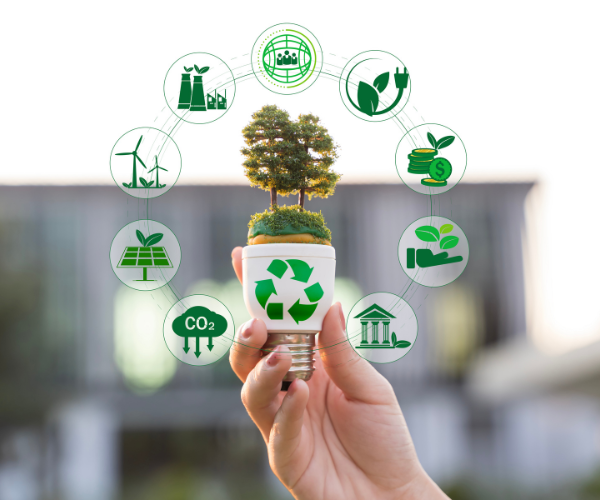
Circular Economy

Rethinking how we use resources by reducing waste and building smarter, more sustainable systems.

landfill waste pollution impact

The Challenge

Traditional economic systems follow a “take-make-dispose” approach that places heavy pressure on natural resources and generates large volumes of waste. This linear model often leads to inefficient use of materials, environmental damage, and rising costs over time.

It also creates imbalance, where the benefits of growth are not equally shared. As global demand increases, this system becomes harder to sustain. Landfills grow, resources become scarce, and ecosystems are affected. Addressing these challenges requires a shift in how we design, use, and manage materials, moving away from short-term consumption toward more responsible and efficient resource use.
A Better Approach

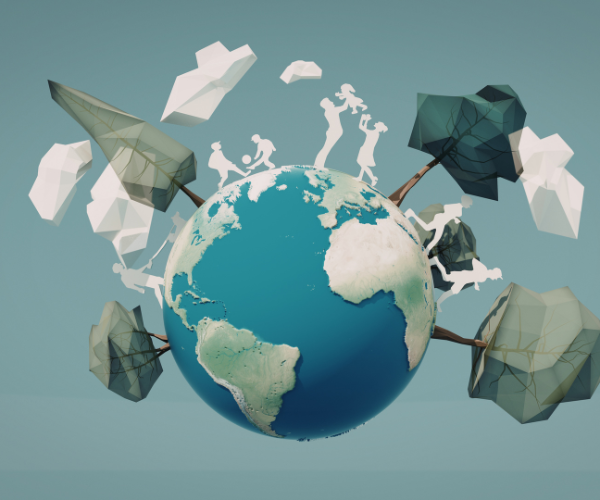
A circular economy offers a practical alternative by focusing on keeping resources in use for as long as possible. It aims to reduce waste, extend product life, and recover value from materials through reuse, repair, and recycling. Instead of treating waste as an endpoint, it becomes part of a continuous cycle.

This approach supports more efficient production, reduces environmental impact, and encourages smarter design. It also creates opportunities for innovation and long-term cost savings. By shifting to circular systems, businesses and communities can improve sustainability while maintaining economic growth and reducing dependence on finite resources.

Build a More Sustainable Future

Let’s work together to create systems that reduce waste and improve resource use.